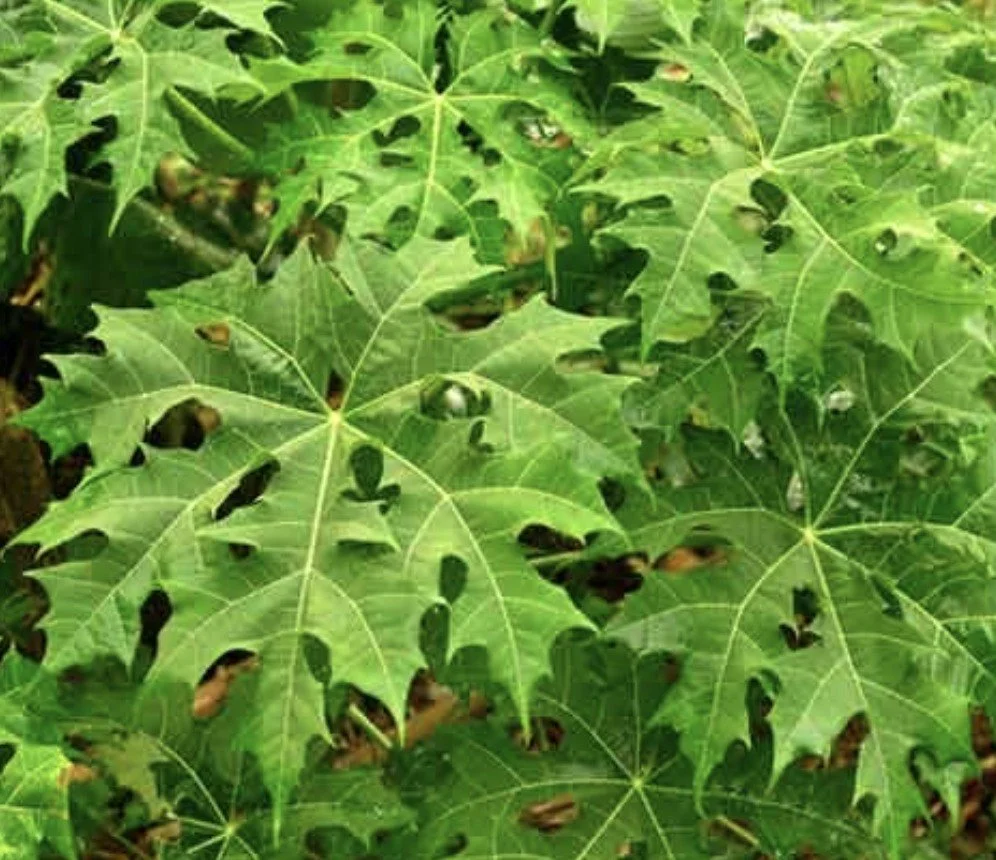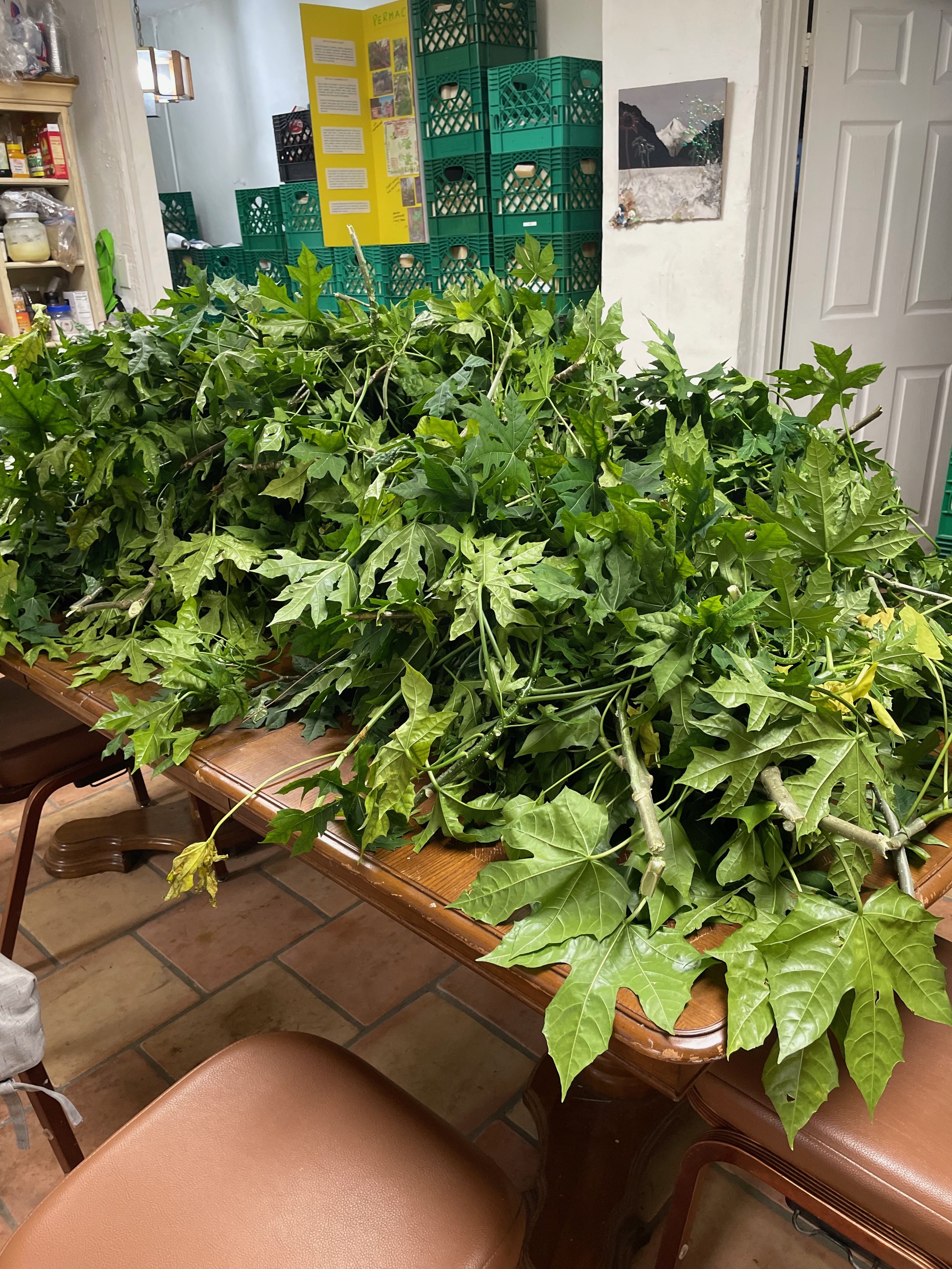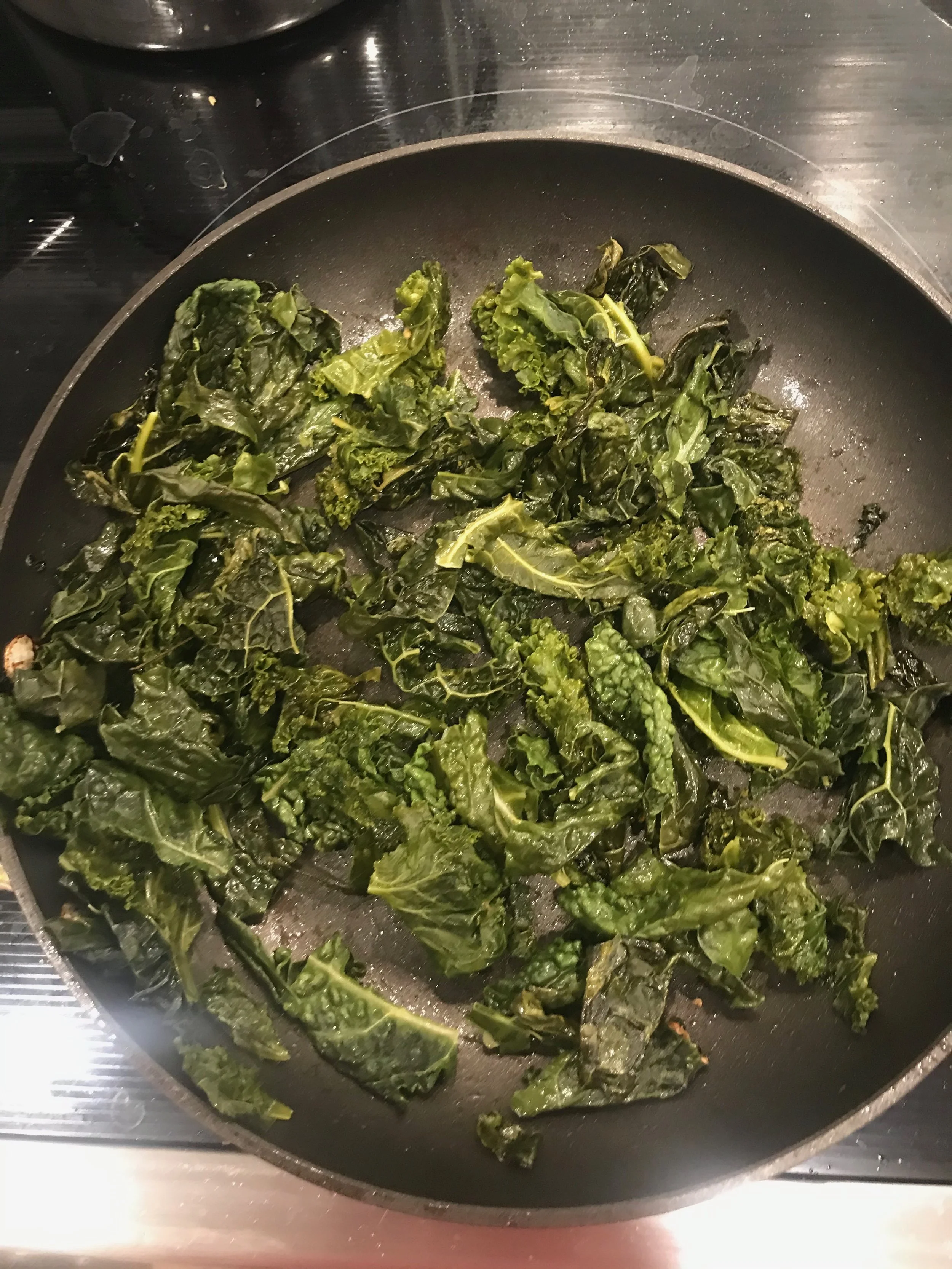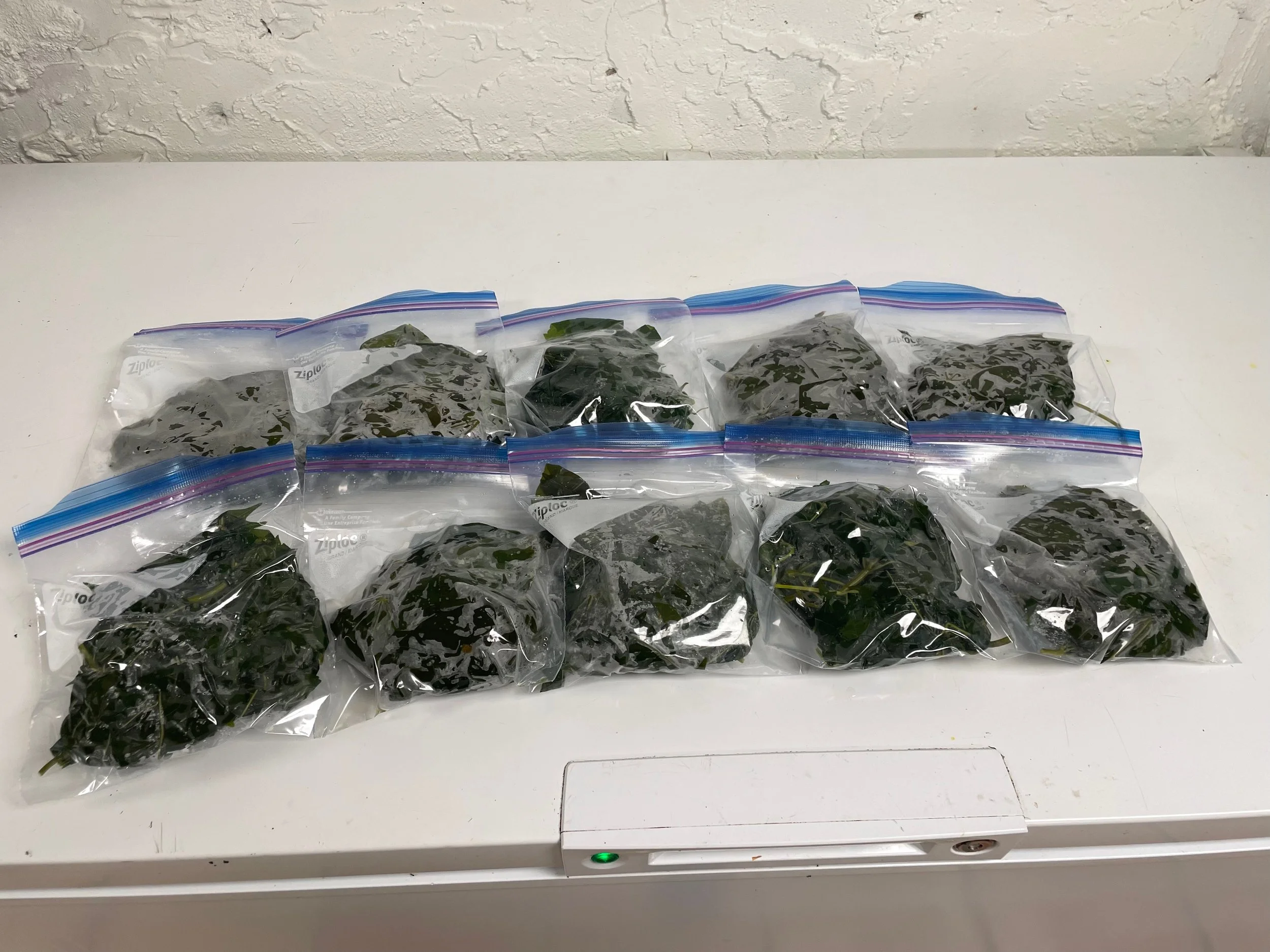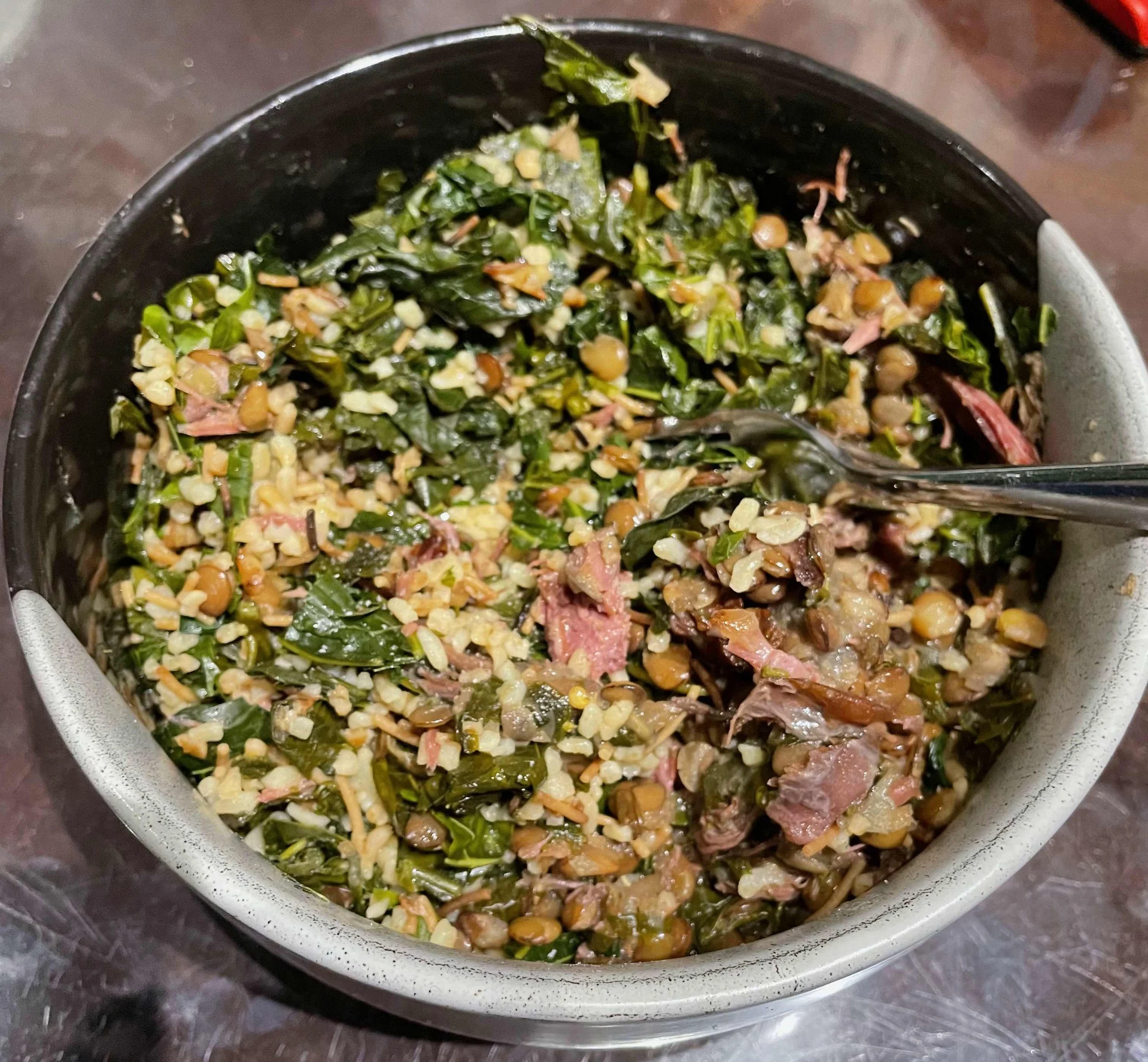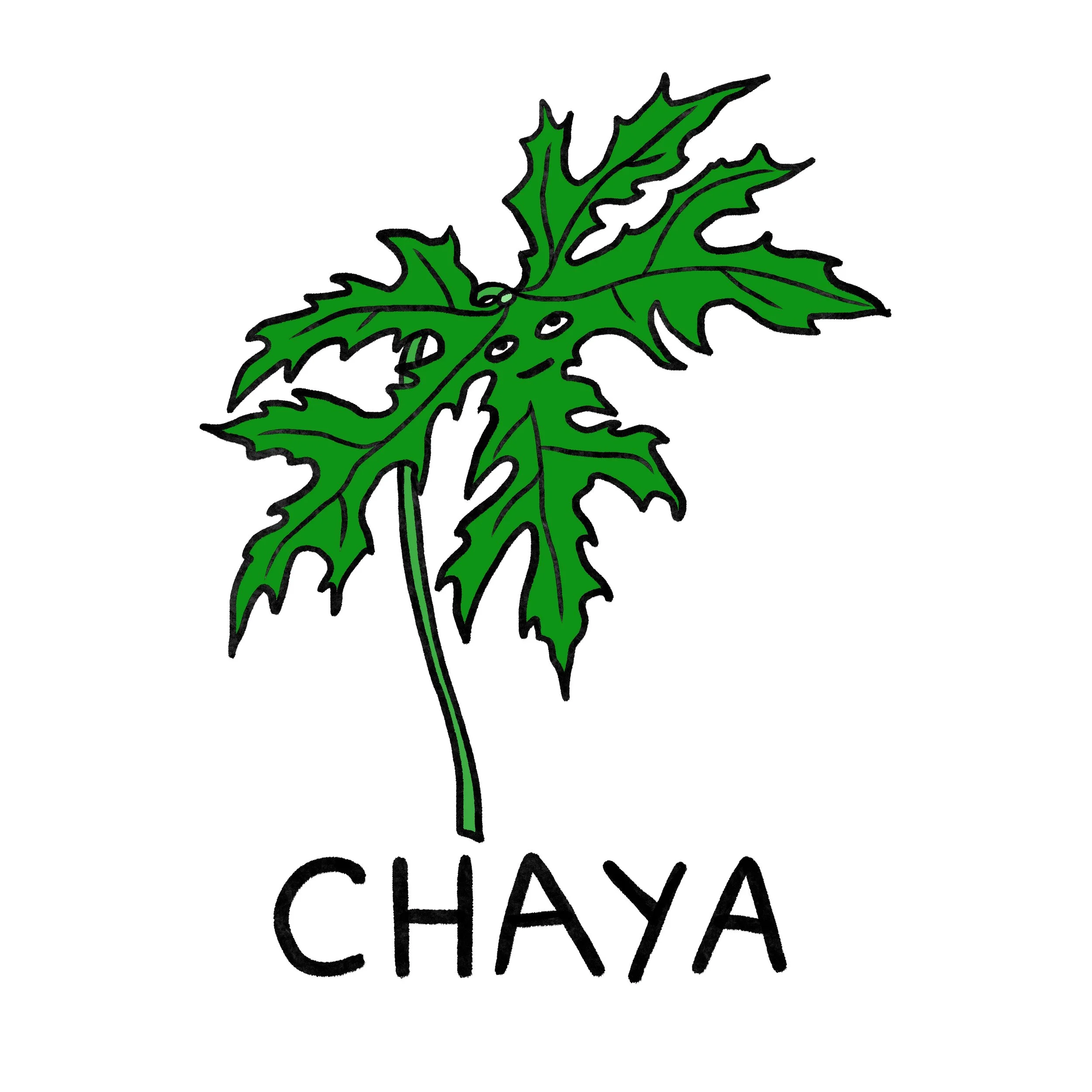
Chaya is an extremely versatile and nutritious vegetable that is not widely known or utilized by Americans. There are two primary reasons for this: it is not commercially farmed so it hasn’t been introduced to consumers via the modern industrial food system and it requires cooking to remove hydrocyanic glucoside, a characteristic that frightens many cooks.
At the same time, it is easy to propogate and grow, with no special soil requirements and limited pest pressure (apart from iguanas that seem to love it). It provides year-round highly nutritional greens and the plant lives for years with little or no maintenance.
Health Benefits
Rich in nutrients such as protein, fiber, calcium, iron, and vitamins A & C. Helps reduce swelling and inflammation with its anti-inflammatory properties. Supports healthy blood sugar levels when consumed regularly after cooking. Enhances energy and immunity thanks to its combination of vitamins and minerals. According to the National Institute of Nutrition in Mexico City, Chaya has the following properties:
Improves blood circulation, helps digestion, improves vision, prevents varicose veins and hemorrhoids, lowers cholesterol, helps reduce weight, prevents coughs, augments calcium in the bones, decongests and disinfects the lungs, prevents anemia, improves memory and brain function, combats arthritis, improves glucose metabolism and prevents diabetes.
Nutrition
Nutritional analysis has shown Chaya richer in iron than spinach and is a good source of potassium and calcium. Chaya leaf is high in protein (5.7%), and contains crude fiber (1.9%), calcium (199.4 mg/100 g), potassium (217.2 mg/100 g), iron (11.4 mg/100 g), vitamin C (164.7 mg/100 g), and carotene (0.085 mg/100 g). The levels of Chaya leaf nutrients are two to threefold greater than most edible leafy green vegetables, and like spinach it provides appreciable amounts of several essential mineral macronutrients necessary for human health.”
Plant Application in Health Behaviors
Adult Application: Chaya Leaf Body Wrap or Compress for Muscle Relief. Boil Chaya leaves for 5–10 minutes, let them cool slightly, and place the warm leaves on sore muscles or joints. Wrap with a towel or cloth for 15–20 minutes. Helps relieve inflammation, pain, and muscle tension thanks to its soothing and anti-inflammatory compounds.
Child Application: Chaya-Pineapple Smoothie. Ingredients: 3–4 cooked Chaya leaves, ½ cup pineapple chunks, ½ banana, and 1 cup water or coconut water. How to make: Blend all ingredients until smooth. Serve chilled. Provides a gentle vitamin and iron boost to support growing children, helping with energy and immunity.
Origins
Leafy perennial shrub native to Mexico and Central America often called tree spinach because its leaves are rich in nutrients and resemble spinach when cooked. It’s a staple in many traditional dishes such as chaya con huevo and sopa de chaya. Chaya is valued for its high protein, vitamin C, calcium, iron, and antioxidant content.
Propagation Methods
Chaya is easy to propagate by taking a stem cutting. Stems with a diameter of ¾ inch or larger are best. cut a length about 1 foot long, remove lower leaves and trim upper leaves. Don’t plant immediately, let the scar heal over for a couple of days. then plant in a pot or directly in the ground. Plant will start to put out new leaves in a couple of weeks.
Recipes USAID and ECHO Global Farms, working with farmers in Guatemala, produced this 48-page cookbook to give local residents ideas for how to use Chaya in their daily meal preparations.